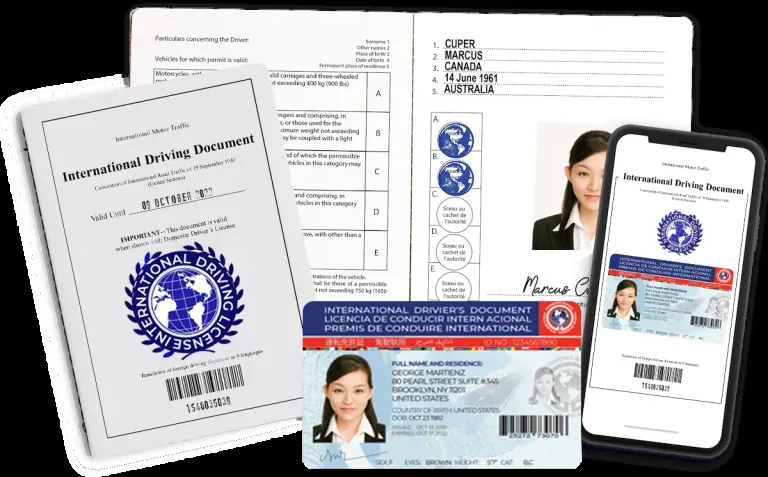
International driving licence and IDP guide
Use this overview to understand the documents, rental requirements and practical checks that can make driving overseas easier.
International driving documents in plain English
An international driving permit is best thought of as a companion to a valid domestic driving licence. It can translate or standardise key licence information so authorities and rental companies in another country can understand it more easily. It does not normally create a new driving entitlement and should not be treated as a replacement for the original licence. The exact document you need depends on the country you will drive in, the country that issued your licence, the vehicle category, and whether you are visiting temporarily or becoming resident. Because those variables matter, responsible trip planning starts with the destination rules rather than a claim that one document is accepted everywhere.
Why travellers obtain an IDP
Many travellers look for an international permit because they plan to rent a car, take a road trip across several countries, or drive in a place where their home licence is not written in a locally familiar language. A standardised multilingual document can make a rental counter or roadside check easier by presenting names, licence categories and other details in a recognisable format. It is also common for rental companies to ask for supporting documentation even where local law gives some visitors limited permission to drive on a foreign licence. That is why both legal requirements and rental contract requirements should be checked before departure.
The original licence still matters
Your domestic driving licence remains the foundation of your right to drive. If it is expired, suspended or does not include the vehicle class you want to use, an international permit should not be expected to solve the problem. Travellers should carry the original licence with the supporting permit and keep both accessible when driving. A passport or other accepted identity document may also be needed at a rental desk or during a formal check. Keeping details consistent across the passport, licence, booking and supporting permit reduces avoidable delays.
Check the country, not just the continent
Driving rules can vary even between neighbouring countries. A journey through Europe, the Gulf, North America or Asia may cross several legal systems and rental policies. One country may accept a particular foreign licence for a short visit, another may require an IDP, and a third may require a translation or impose different rules for residents. Cross-border rental driving can also require written permission, extra insurance or vehicle paperwork. Build your checklist around every country on the route rather than only the place where the car is collected.
Physical documents versus digital copies
Digital copies are convenient for storing reference information and may help with advance customer-service checks, but physical-document requirements still exist in many travel situations. A rental provider or authority may ask to see the original domestic licence and, where required, the original physical permit. Do not assume that a scan or app screen will always be accepted as a substitute. If a service offers both printed and digital formats, choose based on the destination requirement, not only on speed or convenience.
Rental-car preparation
A successful rental requires more than a licence. Check the minimum driver age, how long you must have held the licence, accepted payment cards, deposit amount, insurance options and any restrictions on vehicle type. If another person will drive, add them correctly to the rental contract. For cross-border travel, ask whether the vehicle may leave the pickup country and whether additional paperwork or fees apply. Saving the rental terms offline can help if a question arises at the desk and mobile data is unavailable.
Driving safely after the paperwork
Documents get you through administrative checks, but they do not replace knowledge of local road rules. Before driving, review speed limits, road signs, priority rules, seat-belt laws, mobile-phone restrictions, alcohol limits, toll systems and parking regulations. Learn whether the destination requires special safety equipment in the car and whether low-emission zones or road vignettes apply. If you are unfamiliar with driving on the opposite side of the road, schedule an easy first route and avoid beginning with a long night drive after a flight.
A simple pre-trip checklist
Several days before departure, confirm that your domestic licence is valid, your passport name matches the booking, any required IDP or translation is ready, and your rental company has confirmed its document requirements. Keep printed and secure digital copies of bookings and support contacts. Recheck official destination guidance shortly before travel because requirements can change. This simple process is more reliable than relying on old forum posts or broad statements about worldwide acceptance and gives you a clearer answer for the specific trip you are actually taking.
Before you leave home
A final document check should happen before you head to the airport, ferry terminal or border. Confirm that your licence, passport and any supporting permit are physically with you rather than packed in checked luggage. Make sure the rental booking uses the same lead-driver name shown on the payment card and driving licence. If you expect to cross borders, keep the rental company's written permission with the vehicle papers. It is also sensible to store emergency contacts, insurer details and the rental company's roadside number offline. These small checks do not change the law, but they make it much easier to deal with routine questions while travelling and reduce the risk of discovering a missing document only after you reach the rental desk.